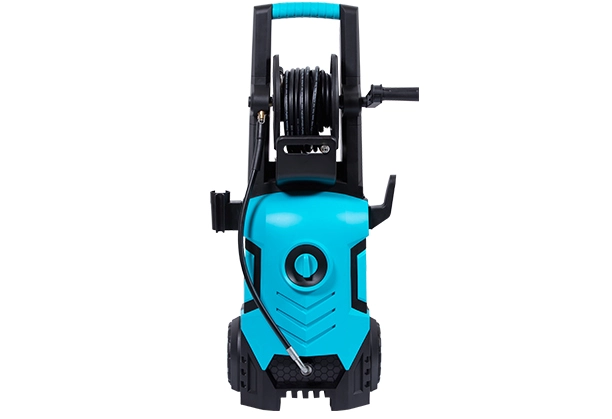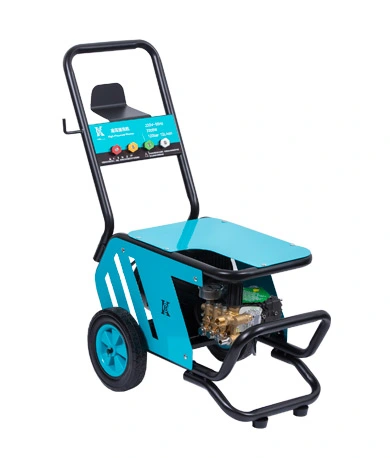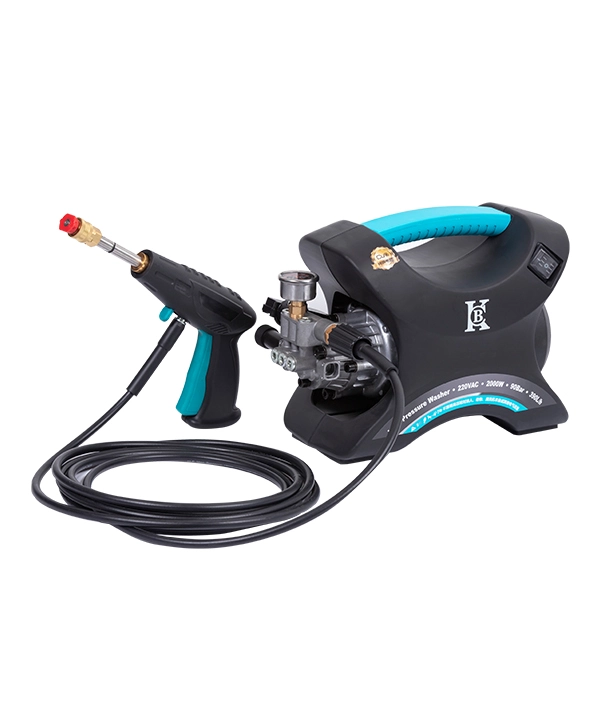
For most air conditioning cleaning applications, the ideal pressure range is typically 100–400 PSI with a water flow rate of 1.5–3.0 GPM. This combination provides sufficient force to remove dirt and debris from condenser and evaporator coils while minimizing the risk of damaging delicate aluminum fins. In professional scenarios, a properly configured air conditioner pressure washer balances pressure and flow to achieve deep cleaning without compromising system integrity.
PSI (Pressure per Square Inch): Determines the force applied to the coil surface
GPM (Gallons per Minute): Determines how effectively debris is flushed away
In AC maintenance, GPM is often more critical than PSI. High pressure alone may loosen dirt, but without adequate water flow, contaminants remain trapped within the coil.
A professional ac cleaning pressure washer is designed to optimize both parameters, ensuring efficient cleaning and proper debris removal.
PSI: 100–200 PSI
GPM: 1.5–2.0 GPM
Lower pressure is essential for indoor units and lightweight outdoor condensers. Using a high pressure washer for air conditioner cleaning in this range prevents fin deformation and water intrusion into sensitive components.
PSI: 200–300 PSI
GPM: 2.0–3.0 GPM
Commercial systems often accumulate more dust and grease. A higher-output air conditioner pressure washer improves cleaning efficiency while maintaining safe operating limits.
PSI: Up to 400 PSI (controlled use)
GPM: 2.5–3.5 GPM
For industrial environments, increased flow rate is crucial. However, pressure must still be carefully controlled. Professional technicians rely on adjustable ac cleaning pressure washer systems to fine-tune output based on coil condition.
Yes. Excessive PSI can:
Bend or flatten aluminum fins
Reduce airflow efficiency
Cause permanent performance loss
In practice, moderate PSI combined with sufficient GPM delivers better results than excessive pressure alone. This is why experienced technicians prioritize flow-driven cleaning rather than pressure-driven cleaning.
Higher GPM:
Flushes out loosened debris from deep within coils
Reduces cleaning time
Improves overall heat exchange performance
A high-quality high pressure washer for air conditioner applications ensures stable water flow, which is essential for consistent results across multiple cleaning tasks.
25°–40° spray angle for general cleaning
Avoid narrow (0° or 15°) nozzles that concentrate pressure
Use fan-shaped spray patterns to distribute force evenly
Professional air conditioner pressure washer systems often include specialized nozzles or coil-cleaning attachments to enhance safety and precision.
Maintain a safe distance (typically 20–40 cm from the coil surface)
Spray in the direction of airflow to push debris outward
Avoid direct spraying of electrical components
Use consistent, controlled movement instead of concentrated blasting
These practices are standard in commercial HVAC maintenance when using an ac cleaning pressure washer.
Yes, but with stricter control:
Use lower PSI (100–150 PSI)
Combine with coil cleaning chemicals if needed
Ensure proper drainage and water containment
In indoor environments, technicians often combine foam cleaning with a low-pressure air conditioner pressure washer for optimal results.
For heavily soiled systems:
Apply coil cleaner or foam solution
Allow dwell time to break down grease and biofilm
Rinse using a controlled high pressure washer for air conditioner cleaning
This approach improves cleaning efficiency while reducing the need for higher pressure.
Using excessive PSI instead of increasing GPM
Selecting the wrong nozzle type
Cleaning too close to the coil surface
Ignoring airflow direction
Using unstable or low-quality equipment
A professional-grade ac cleaning pressure washer minimizes these risks through precise pressure and flow control.
Adjustable PSI and stable GPM output
Reliable pump system for continuous operation
Compact and portable design for field work
Compatibility with foam and chemical injectors
Durable construction for industrial environments
These features are critical for HVAC contractors seeking efficiency and long-term reliability.
Effective AC cleaning is not about maximizing pressure—it is about balancing PSI and GPM to achieve safe, thorough, and efficient results. In most cases, a controlled range of 100–400 PSI combined with 1.5–3.0 GPM delivers optimal performance. For professionals, investing in a high-quality air conditioner pressure washer ensures consistent cleaning outcomes, improved system efficiency, and reduced maintenance time.
Typically between 100–300 PSI, depending on the coil type and condition.
Yes. Higher water flow enhances debris removal and reduces cleaning time.
Yes, if used with excessive pressure or improper technique. Controlled settings and proper nozzles are essential.
Yes. A professional ac cleaning pressure washer provides stronger cleaning capability and more efficient debris removal.
Generally once or twice per year, depending on environmental conditions and system usage.
 English