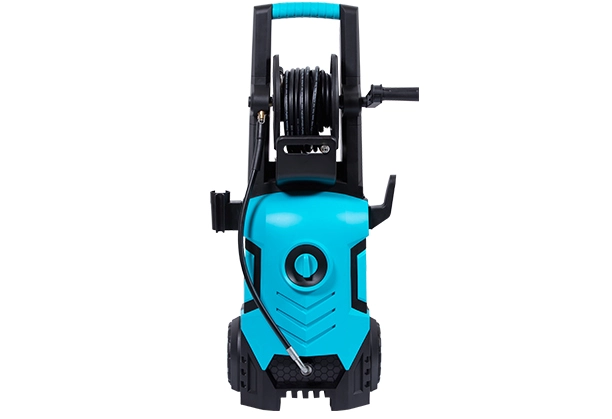
Cleaning a motorcycle safely requires controlled water pressure, proper technique, and awareness of sensitive components. Using a pressure washer for motorcycle cleaning is effective, but only when PSI, spray angle, and distance are carefully managed. The key is not avoiding pressure washing altogether, but using it intelligently to protect seals, bearings, electronics, and painted surfaces.
Before starting, it is critical to recognize vulnerable areas:
Wheel bearings and swingarm pivots
Chain seals (O-ring / X-ring chains)
Electrical components (wiring, ECU, connectors)
Air intake and exhaust openings
Suspension seals and fork tubes
Dashboard and control switches
Direct high-pressure exposure to these areas can lead to water intrusion, corrosion, and mechanical failure.
Yes—if properly configured.
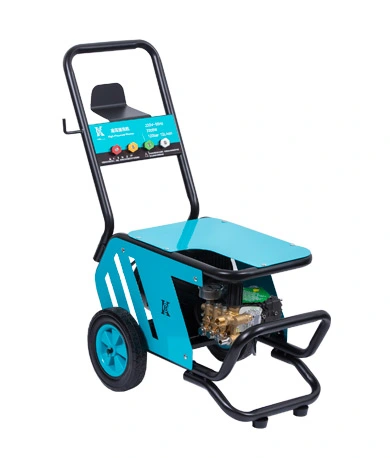
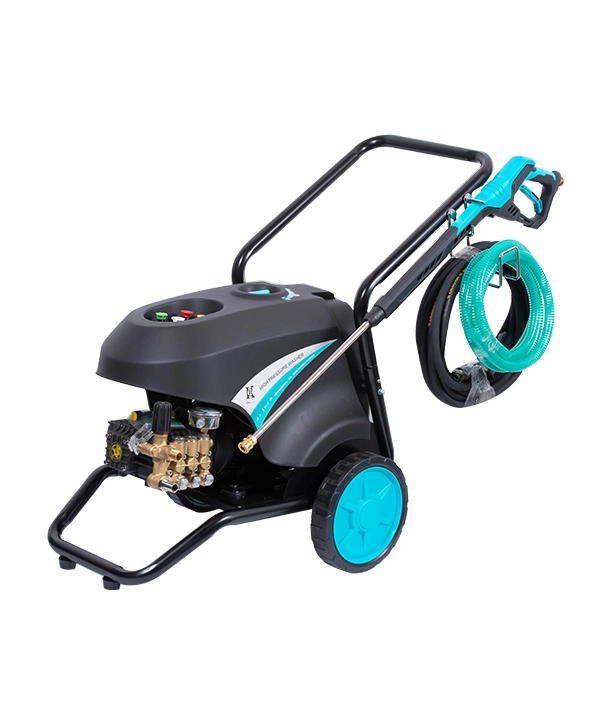
A professional pressure washer for motorcycle applications should provide:
Adjustable PSI settings
Stable water flow
Wide-angle nozzle compatibility
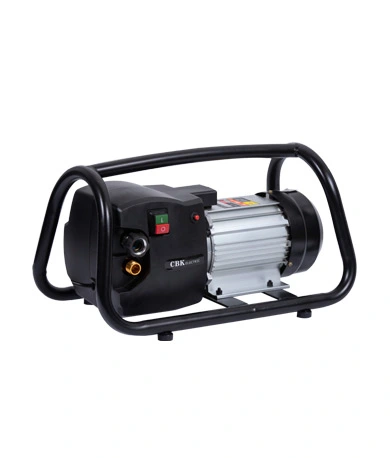
You may also compare motor types before buying, such as induction motor vs carbon brush motor pressure washer, especially if you plan frequent washes.
PSI: 100–300 PSI
Nozzle: 25°–40° spray angle
Distance: 30–50 cm from the surface
Avoid narrow nozzles (0° or 15°), as they concentrate pressure and increase risk.
For off-road riders, a dirt bike pressure washer with a portable design and controlled output is especially practical.
Start with a gentle rinse to remove loose dirt and dust. This prevents abrasive particles from scratching surfaces during cleaning.
Use a motorcycle-safe detergent or foam cleaner:
Apply evenly across the bike
Allow dwell time (2–5 minutes)
Avoid drying on the surface
When washing a motorcycle with a pressure washer:
Keep a consistent distance
Use sweeping motions instead of direct blasting
Avoid prolonged spraying on one spot
Focus on:
Frame and body panels
Wheels (avoid direct bearing contact)
Undercarriage
Using the right hose setup (e.g., a durable high-pressure washer hose) also helps maintain stable flow and control.
For delicate parts:
Use a soft brush or microfiber cloth
Clean chain with dedicated chain cleaner
Wipe electrical areas instead of spraying
This hybrid approach ensures thorough cleaning without unnecessary risk.
Rinse thoroughly with controlled pressure, then:
Use compressed air or microfiber towels
Remove water from hidden areas
Prevent water spots and corrosion
After cleaning:
Lubricate the chain
Inspect seals and components
Check for trapped moisture
This step is essential, especially after washing a motorcycle with pressure washer systems, to maintain long-term durability.
Most damage comes from improper technique rather than the equipment itself.
Avoid:
Using excessive PSI
Spraying too close to components
Targeting bearings and seals directly
Ignoring nozzle selection
Skipping post-clean lubrication
Even a high-quality pressure washer for motorcycle use can cause issues if misused.
Yes. A pressure washer for dirt bike cleaning is often essential due to heavy mud accumulation.
Remove thick mud before applying pressure
Use moderate PSI with wide spray angles
Clean the chain and drivetrain separately
Avoid forcing mud deeper into components
Off-road conditions make proper technique even more critical, as dirt can easily enter sensitive areas.
It is safe with precautions:
Use low pressure
Avoid direct spray into the air intake
Do not target electrical connectors
Engines can be cleaned effectively, but controlled application is essential when using a pressure washer for motorcycle cleaning.
Not necessarily.
Use pressure washing for heavy dirt removal
Use manual cleaning for sensitive components
The most effective approach combines both methods, ensuring deep cleaning without compromising mechanical integrity.
Adjustable PSI control
Stable GPM output
Lightweight and portable design
Compatibility with foam cannons
Durable pump system
If you’re selecting a motor type for durability and quieter operation, consider an electric pressure washer induction motor.
A well-designed pressure washer for motorcycle applications allows precise cleaning while reducing operator error.
Cleaning a motorcycle without damaging sensitive parts is not about avoiding pressure washers—it is about using them correctly. With proper PSI settings, nozzle selection, and technique, a pressure washer for motorcycle cleaning becomes a safe and highly effective tool. By combining controlled pressure washing with manual cleaning for delicate areas, riders can maintain both appearance and performance without risk.
Yes, if excessive pressure or improper technique is used. Controlled settings and proper distance prevent damage.
Typically between 100–300 PSI, depending on the cleaning area.
Avoid direct high-pressure spraying on chain seals; use dedicated cleaners instead.
For heavy mud and off-road conditions, a pressure washer for dirt bike cleaning is highly effective and recommended.
Avoid direct spraying and clean these areas manually with cloth or low-pressure water.
 English