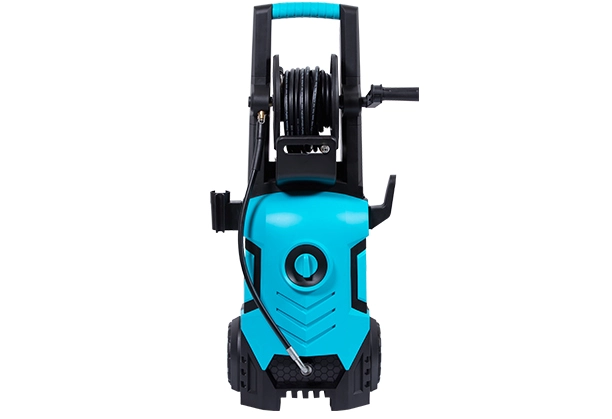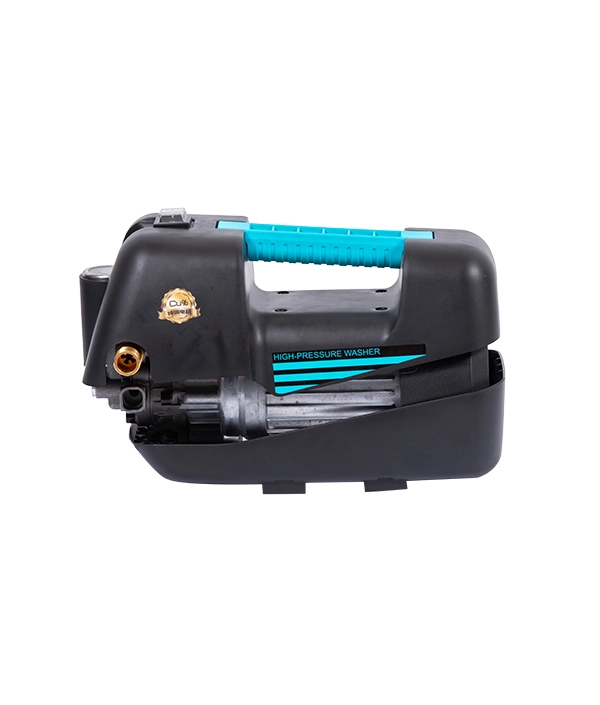
Electric power washers make it easy to remove dirt, mud, grease, and grime from vehicles, patios, decks, walls, and outdoor equipment. To use an electric power washer safely, connect the water supply first, choose the correct nozzle, maintain a safe spraying distance, and use smooth sweeping motions to avoid surface damage. This guide explains the complete process, from setup to maintenance, helping you achieve professional cleaning results while protecting your equipment.
An electric power washer, also known as an electric pressure washer, uses an electric motor to drive a high-pressure pump. Water is pressurized and discharged through a spray gun and nozzle, creating a concentrated stream capable of removing dirt, algae, dust, grease, and other contaminants.
Compared with gas-powered units, electric pressure washers offer several advantages:
Quieter operation
Lower maintenance requirements
Lightweight and easy to move
Instant start and stop functionality
Suitable for residential and light commercial cleaning
At Junhe Clean, electric pressure washers are widely used for vehicle washing, motorcycle cleaning, deck maintenance, patio cleaning, and air conditioner cleaning.
Selecting the proper machine helps improve cleaning efficiency while reducing the risk of surface damage.
| Cleaning Task | Recommended Setup |
|---|---|
| Car Washing | Low to medium pressure + 40° nozzle |
| Motorcycle Cleaning | Low pressure + wide fan spray |
| Deck Cleaning | Medium pressure + 25° nozzle |
| Patio & Concrete | Medium to high pressure + surface cleaner |
| Outdoor Equipment | Moderate pressure + safe spraying distance |
Junhe Clean manufactures both motor types:
AC Brush Motor Pressure Washer
Lightweight
Affordable
Suitable for occasional home use
AC Induction Motor Pressure Washer
Quieter operation
Longer service life
Better for frequent cleaning tasks
Ideal for multiple vehicles or commercial applications
For users who clean regularly, an induction motor pressure washer is typically the more durable option.
Electric power washers combine water and electricity, making safety a priority.
Use a GFCI or RCD-protected outlet
Keep electrical connections dry
Avoid standing water around plugs
Wear eye protection
Wear closed-toe shoes
Keep children and pets away
Never spray directly at:
People or animals
Electrical outlets
Open electrical components
Sensitive sensors
Decals and fragile paintwork
Wheel bearings and seals
Running a pressure washer without water can damage the pump.
Connect the garden hose to the inlet.
Inspect and clean the inlet filter.
Turn on the water supply completely.
Hold the trigger until water flows steadily.
Ensure all connections are leak-free.
A stable water supply helps maintain consistent pressure and prolong pump life.
The nozzle often affects cleaning performance more than the pressure rating itself.
| Nozzle | Typical Use |
|---|---|
| 40° | Cars, motorcycles, painted surfaces |
| 25° | General outdoor cleaning |
| 15° | Heavy dirt and stains |
| 0° | Very concentrated cleaning (use with caution) |
For most household cleaning tasks, a 40° or 25° nozzle provides the safest balance of cleaning power and surface protection.
Pressure alone is not always the most effective cleaning method.
Use pressure-washer-safe detergent
Apply using a foam cannon or foam lance
Allow 2–5 minutes of dwell time
Prevent soap from drying on surfaces
Rinse thoroughly afterward
For vehicle cleaning, foam removes dirt more safely than relying on high pressure alone.
Keep the nozzle approximately:
20–50 cm (8–20 inches) from the surface
Further away when cleaning painted surfaces
Closer only when additional cleaning power is required
Avoid:
Holding the spray in one location
Using maximum pressure unnecessarily
Starting with narrow-angle nozzles
Pre-rinse
Apply detergent
Allow dwell time
Agitate stubborn dirt if necessary
Final rinse
Dry the surface
Use a 40° nozzle
Apply foam first
Rinse wheels separately
Avoid direct spraying into sensors and seals
Motorcycles contain exposed mechanical and electrical components.
Avoid direct spraying on:
Wheel bearings
Swingarm pivots
Chain O-rings
Electrical connectors
Instrument clusters
Use lower pressure and maintain additional distance.
Use a wide-angle nozzle
Keep the spray moving
Test in a hidden area first
Disconnect the power first
Use low pressure
Spray at an angle
Avoid electrical components
Prevent fin damage
After cleaning:
Turn off the machine.
Turn off the water supply.
Release remaining pressure.
Disconnect hoses.
Drain residual water.
Store indoors.
Water left inside the pump can freeze and cause internal damage. Always store your pressure washer in a frost-free environment.
Regular maintenance improves reliability and cleaning performance.
Clean the inlet filter regularly
Inspect O-rings and fittings
Check hoses for wear
Avoid extended continuous operation
Use approved detergents only
Store accessories properly
As a pressure washer manufacturer, Junhe Clean recommends inspecting the water inlet filter after every few uses to protect the pump from debris-related wear.
Possible causes:
Clogged nozzle
Restricted water supply
Air trapped in the system
Leaking hose connections
Possible causes:
Air inside the pump
Dirty inlet filter
Insufficient water flow
Check:
Power outlet
GFCI protection
Extension cord size
Thermal overload protection
Connect water first, purge air from the system, select a wide-angle nozzle, and test on a small area before cleaning larger surfaces.
Yes. Most electric pressure washers can effectively clean vehicles, patios, fences, decks, and outdoor furniture.
Yes. Using excessive pressure, a narrow nozzle, or spraying too closely can damage paint. Always start with a 40° nozzle and maintain proper distance.
Brush motor models are suitable for occasional household cleaning. Induction motor pressure washers are quieter, more durable, and better for frequent use.
Learning how to use an electric power washer correctly is about more than choosing the highest pressure setting. The best results come from using the right nozzle, maintaining a safe distance, applying detergent effectively, and following proper cleaning techniques.
Whether you're washing cars, motorcycles, patios, decks, or air conditioning units, a properly selected electric pressure washer can deliver fast, efficient, and safe cleaning. For distributors, retailers, and private-label brands, Junhe Clean offers a comprehensive range of electric pressure washers, including portable, vertical, household, and light commercial models designed for a wide variety of cleaning applications.
 English