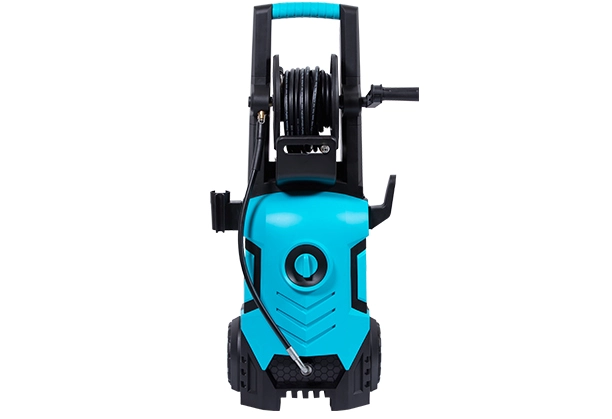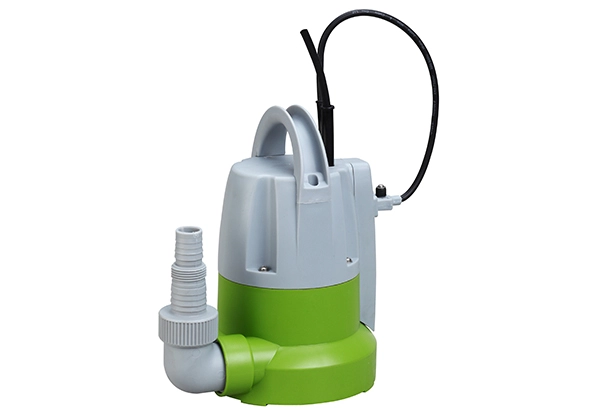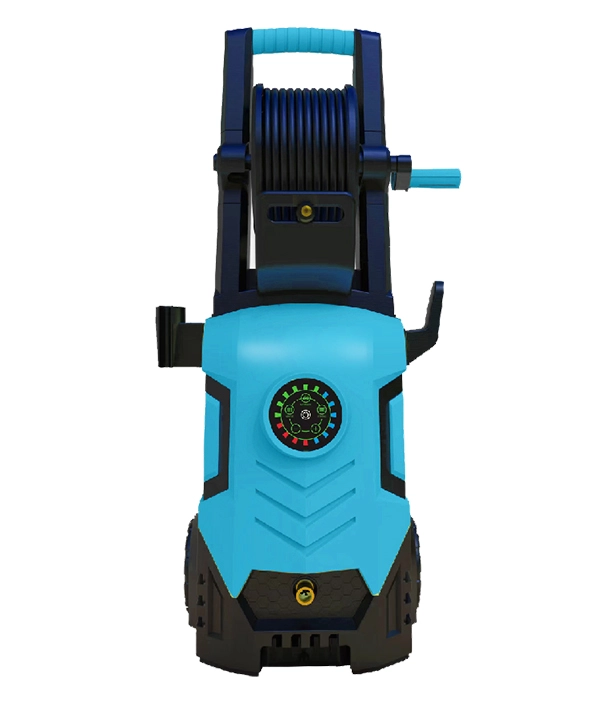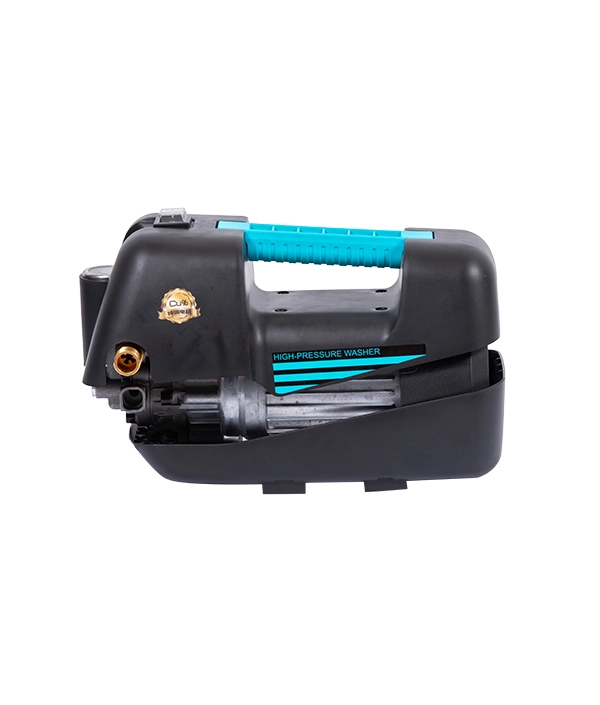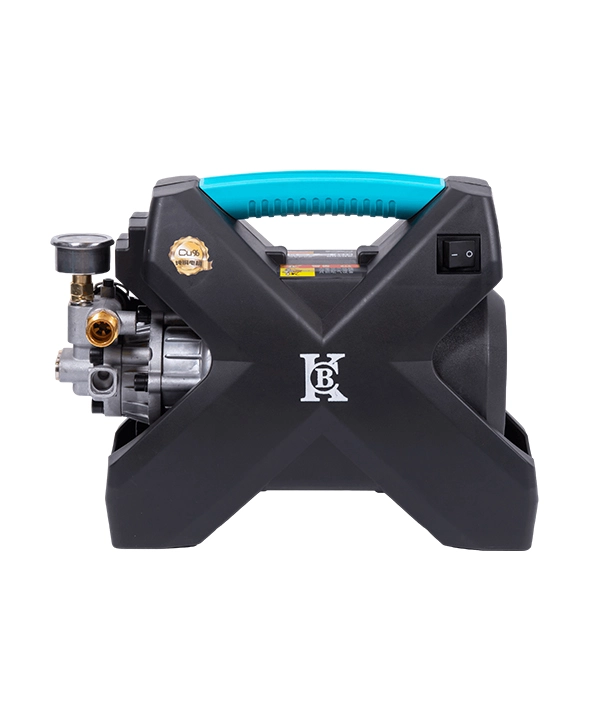
For most air conditioning maintenance scenarios, an air conditioner pressure washer delivers superior cleaning efficiency, deeper contaminant removal, and better long-term performance restoration, especially for outdoor condenser coils and heavily fouled systems. Foam cleaners remain useful for light maintenance, indoor units, and situations requiring minimal water pressure, but they cannot match the flushing power and consistency of a properly configured AC cleaning pressure washer or high pressure washer for air conditioner applications.
Foam cleaners rely on chemical agents that expand into foam, penetrate dirt layers, and loosen contaminants such as dust, grease, and microbial buildup. After dwell time, the foam either self-rinses (no-rinse types) or requires light rinsing.
Typical applications:
Indoor evaporator coils
Light dust accumulation
Residential split AC maintenance
Areas where water control is critical
An air conditioner pressure washer uses controlled water pressure and flow (PSI & GPM) to physically remove debris from coil fins, condenser surfaces, and drainage systems.
Typical applications:
Outdoor condenser coils
Commercial HVAC systems
Heavily clogged or neglected units
Industrial cooling equipment
Foam Cleaner: Limited penetration; effective on surface contaminants only
Pressure Washer: Deep cleaning through fin gaps, removing embedded dirt
In real-world HVAC servicing, airflow-blocking debris inside condenser coils is best removed with a high pressure washer for air conditioner systems, not chemical foam alone.
Foam cleaning requires application, dwell time, and possible manual brushing
Pressure washing provides immediate removal of contaminants, reducing labor time significantly
For contractors handling multiple units daily, an AC cleaning pressure washer improves operational efficiency and throughput.
A major goal of AC maintenance is restoring heat exchange efficiency.
Foam cleaner: Moderate improvement
Pressure washer: Significant improvement due to full debris removal
Dirty condenser coils can reduce efficiency by 20–30%. Only high-pressure water flushing can fully restore airflow and heat dissipation.
Foam cleaner: Low mechanical risk but may leave residue if not rinsed properly
Pressure washer: Requires correct PSI and nozzle selection to avoid fin damage
Professional-grade air conditioner pressure washer systems are designed with adjustable pressure settings, ensuring safe operation when used correctly.
Foam cleaner: Lower upfront cost, recurring chemical expenses
Pressure washer: Higher initial investment, but lower long-term maintenance cost
For HVAC service providers, investing in an AC cleaning pressure washer delivers better ROI over time.
Foam cleaner is sufficient when:
The AC unit is lightly contaminated
Cleaning is performed frequently (preventive maintenance)
The unit is indoors and water use is restricted
You need a quick, low-risk cleaning solution
However, it is not ideal for systems with:
Heavy dust buildup
Oil contamination
Blocked condenser fins
Yes—when properly configured.
A high pressure washer for air conditioner cleaning is recommended when:
The system has visible dirt accumulation
Airflow is restricted
Cooling efficiency has dropped
The unit operates in dusty or industrial environments
Professionals typically use:
Moderate PSI (not excessive pressure)
Wide-angle nozzles
Controlled spray distance
This ensures effective cleaning without damaging delicate aluminum fins.
For safe and effective operation:
PSI: Moderate pressure (typically 100–400 PSI range for coils)
GPM: Sufficient flow to flush debris (1.5–3.0 GPM commonly used)
Higher pressure is not always better—water flow (GPM) plays a critical role in carrying away loosened contaminants.
Wide spray angles (25°–40°) are preferred
Avoid concentrated jet streams
Use specialized coil-cleaning attachments when available
These configurations are standard in professional air conditioner pressure washer systems.
Yes, and this is often the optimal professional approach:
Apply foam cleaner to loosen grease and biological buildup
Allow proper dwell time
Use an AC cleaning pressure washer to rinse and flush contaminants
This hybrid method ensures:
Chemical breakdown of stubborn residues
Complete removal via high-pressure water
Using excessively high PSI that bends fins
Spraying electrical components directly
Skipping rinsing after foam application
Cleaning without considering airflow direction
Using low-quality or unstable pressure equipment
Professional-grade high pressure washer for air conditioner systems are engineered to avoid these issues with better control and reliability.
For homeowners performing light maintenance, foam cleaners provide convenience and safety. However, for serious cleaning, commercial servicing, and performance restoration, an air conditioner pressure washer remains the more effective and scalable solution.
HVAC professionals increasingly rely on AC cleaning pressure washer equipment because it delivers:
Consistent cleaning quality
Faster job completion
Measurable performance improvement
Foam cleaners serve as a useful supplementary tool, but they cannot replace the deep-cleaning capability of a high pressure washer for air conditioner maintenance. For businesses and technicians focused on efficiency, reliability, and customer satisfaction, investing in a professional air conditioner pressure washer system is the more effective long-term strategy.
Yes, when using appropriate PSI levels, wide-angle nozzles, and maintaining safe distance from sensitive components.
Yes. Removing debris from condenser coils significantly improves heat exchange and reduces energy consumption.
Typically 1–2 times per year, depending on environmental conditions and usage intensity.
No. Foam cleaner is suitable for light maintenance but cannot remove deeply embedded dirt or restore full performance.
Its ability to deliver deep, fast, and consistent cleaning, especially for commercial and heavily used systems.
 English