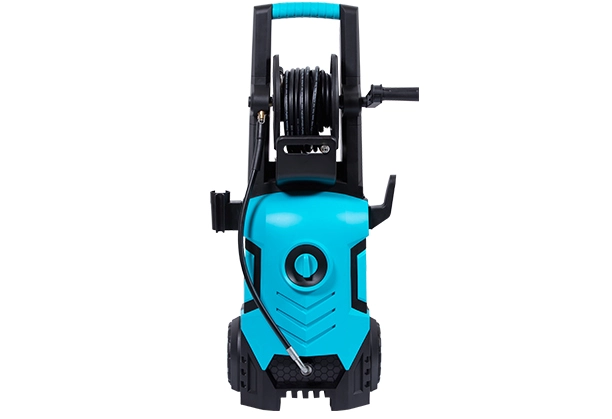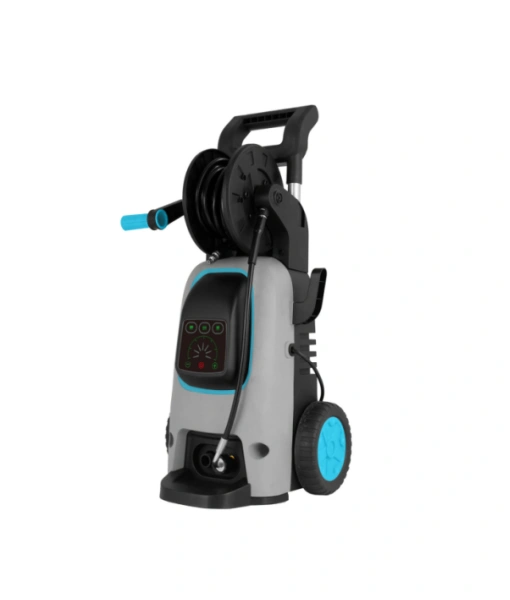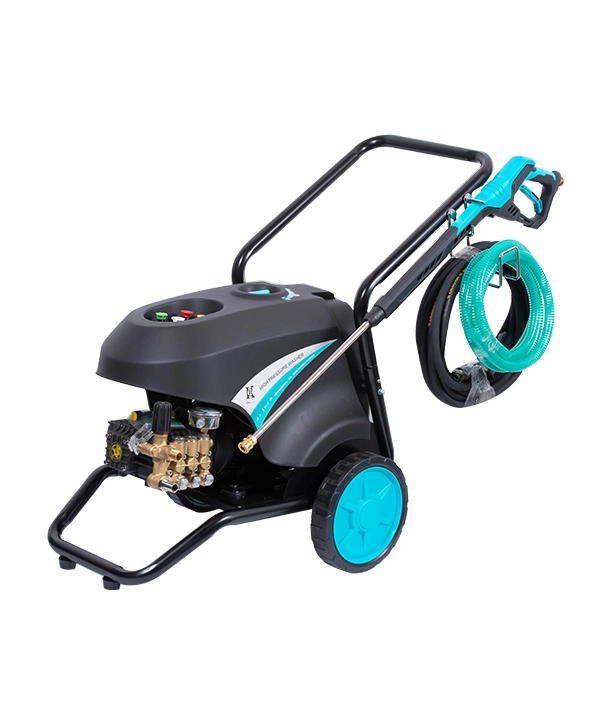
Cleaning your air conditioner regularly helps it cool better, run more efficiently, and circulate cleaner air. For faster results than hand-scrubbing, many technicians and homeowners use a pressure washer for AC cleaning—but only when done safely.
This guide explains how to power wash an air conditioner the right way, what PSI is safe, what mistakes to avoid, and how to choose the best air conditioner pressure washer for reliable, repeatable results.
Yes—if you use the correct pressure, angle, and distance. The main risk is damaging the coil fins (thin aluminum fins that bend easily) or forcing water into electrical components.
Safe-use checklist
Use low to medium pressure (typically 100–150 PSI)
Keep the nozzle at least 12–24 inches (30–60 cm) away
Use a wide spray tip (25°–40°)—avoid turbo/° tips
Never spray the electrical panel, wiring, contactor, or capacitor directly
Avoid spraying upward into the unit where water can be driven inside
If the coil is severely clogged (grease, heavy mud, thick biofilm), consider using an HVAC-safe coil cleaner first, then rinse gently.
Using an AC cleaning pressure washer can be a smart option when the unit has heavy dust, pollen, cottonwood, mud, or outdoor debris.
Benefits
Faster than manual rinsing and brushing
Deeper removal of dirt from coil fins
Better airflow → improved cooling performance
Can reduce energy consumption when coils stay clean
Ideal for routine maintenance in residential and light-commercial sites
This is why terms like air con pressure washer, ac jet wash, and pressure washer for cleaning air conditioner are increasingly popular among HVAC maintenance teams.
A practical safe range for most outdoor condenser coil rinsing is:
Recommended PSI: 100–150 PSI
Use the lower end if the fins are already fragile or bent
Avoid high PSI unless you’re extremely experienced and using specialized techniques/nozzles
Also consider water flow:
GPM matters: steady flow helps rinse debris without relying on excessive pressure.
Switch off the breaker/disconnect near the unit.
Confirm the unit won’t start while you’re working.
Remove leaves, grass, and loose buildup around the base.
Trim plants to maintain airflow clearance.
Avoid direct water contact with electrical compartments.
If needed, cover electrical sections lightly (don’t trap heat for long—remove after cleaning).
Choose 25° or 40° fan tip.
Set pressure to low/medium (target 100–150 PSI).
Keep a distance of 12–24 inches.
Spray in the direction that pushes dirt out, not deeper in.
If you can safely access it, spraying from the inside out is often best.
Use smooth, controlled passes—don’t “cut” into the fins.
Continue until runoff looks clean and debris is removed.
Don’t over-wash the same spot for too long.
Allow the unit to dry fully.
Remove any coverings.
Restore power and test operation.
Using a ° tip or turbo nozzle
Standing too close and bending fins
Spraying directly into electrical components
Cleaning while the power is still on
Spraying upward into the cabinet and forcing water inside
Using too high PSI to “save time” (it often creates expensive repairs)
General guidance (adjust for environment):
Typical residential: 1–2 times per year
Dusty / pollen-heavy / roadside locations: every 3–6 months
Restaurants / oily environments: more frequent, with coil-safe chemical cleaning
Regular maintenance reduces breakdown risk and helps keep energy use under control.
Not every machine is suitable for delicate coil work. When shopping for a pressure washer for aircon cleaning, consider:
Stable PSI control: target 100–150 PSI for coil-safe washing
Consistent flow (GPM): helps rinse debris efficiently
Portability: easy to carry across job sites, rooftops, yards
Durability: reliable motor/pump for frequent maintenance work
Easy operation & maintenance: faster setup, less downtime
JUNHE PUMPS was founded in 1999 and brings long-term experience in pump technology and cleaning solutions. JUNHE products are exported to hundreds of countries and regions—including Europe, North America, and Russia—supported by continuous innovation, quality control, and after-sales service.
If you're selecting professional tools for maintenance teams or distribution, explore our pressure washer.
Yes, but only with coil-safe pressure, a wide fan tip, and careful avoidance of electrical components. Excess pressure can bend fins and reduce airflow.
For most use cases, 100–150 PSI is a safe working range. Stay on the lower end if fins are delicate or already damaged.
It can be safe if you keep a proper distance and use a wide spray angle. Never use a ° tip or spray too close.
Typically, once or twice per year, but more often in dusty, high-pollen, coastal, or commercial environments.
Use gentle passes and, when possible, rinse from inside-out to push debris out rather than deeper into the coil.
Using a pressure washer for cleaning an air conditioner is an efficient method when done with the right PSI, nozzle, distance, and safety steps. Regular coil cleaning can improve airflow, boost cooling efficiency, and help extend equipment lifespan.
For commercial and professional maintenance needs, JUNHE provides durable, user-friendly cleaning equipment built for consistent results.
 English